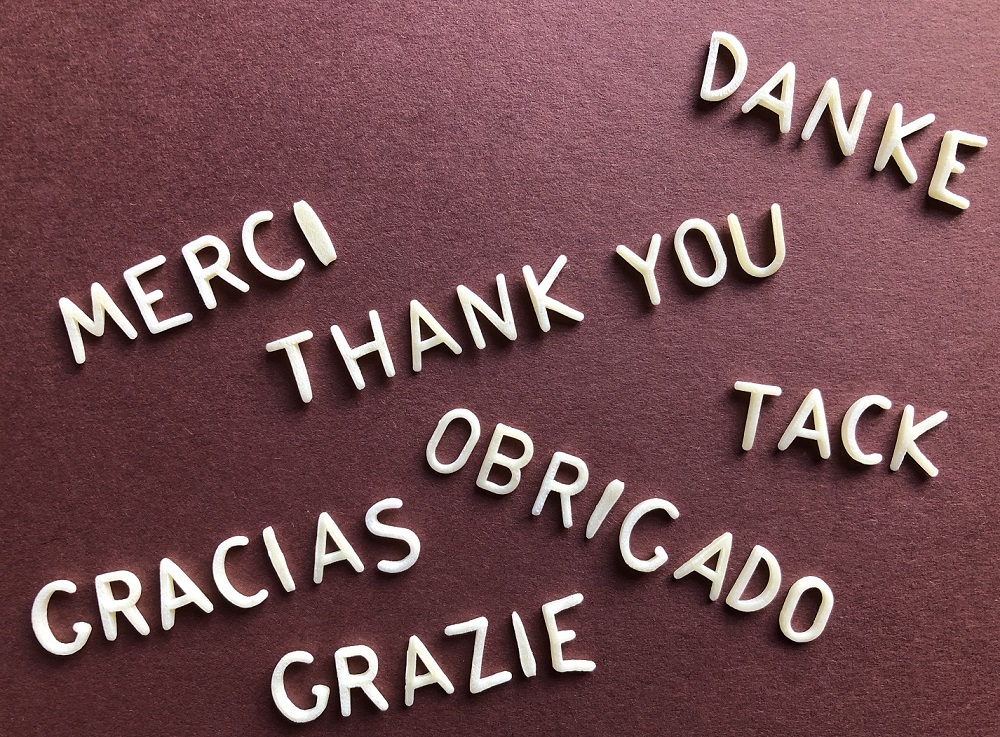
Thank you is a polite word that we use to show our gratitude to a person who did something for us. But saying Thank You is beyond showing good manners; it is a way to build and maintain social and personal relationships.
We say Thank You daily, and probably most of the time, we say it from inertia without giving a thought. Stop for a moment and think how precious it was for the worker at the store who helped you bagged the grocery when you thanked her for help. Have you noticed how her face lit up and a big smile appeared on her face?
Psychologically, thank you makes people happy, fills their soul with positive emotions, and helps them resonate and connect with people daily.

Thank You has a ripple effect
A new study shows that expressing our gratitude to others has not only a positive influence on the two-person exchange but also has an impact on the “people who simply witness an act of gratitude.”
When we say Thank you, we make the other person feel appreciated, and they are more likely to help us in the future because they see that their actions are valued.
Thank You is a law of reciprocity
Thank you shows gratitude for what we receive, and we should respond with graceful manners using words: It was my pleasure, or You are welcome. Always return the sentiment and avoid saying No problem or No worries.
We can also respond positively to their actions with reciprocity, saying, “I know you would do the same for me.” It is an excellent way to reward a kind action and make them feel the same way. But make sure that the intent behind your words is not expecting anything in return. Choose a tone of voice that sincerely expresses your feelings.
Thank you shows genuine appreciation and helps us connect emotionally, improving relationships, building trust and respect.
Frequently Asked Questions
Why is saying thank you more than just good manners?
Saying thank you goes beyond politeness; it is a way to build and maintain social and personal relationships. Psychologically, it makes people happy, fills them with positive emotions, and helps them connect with others, and when people feel their actions are valued, they are more likely to help again.
What is the ripple effect of expressing gratitude?
A study shows that expressing gratitude has a positive influence not only on the two people in the exchange but also on those who simply witness the act of gratitude. Your thank you can uplift more people than the person you are thanking.
What is the proper way to respond when someone thanks me?
Return the sentiment with graceful words such as it was my pleasure or you are welcome, and avoid saying no problem or no worries. You can also respond with reciprocity, such as saying you know they would do the same for you, as long as the intent behind your words does not expect anything in return.
Does it matter how I say thank you, not just that I say it?
Yes. We often say thank you from inertia without thinking, but a sincere tone of voice that genuinely expresses your feelings makes the difference. Genuine appreciation helps us connect emotionally, improving relationships and building trust and respect.