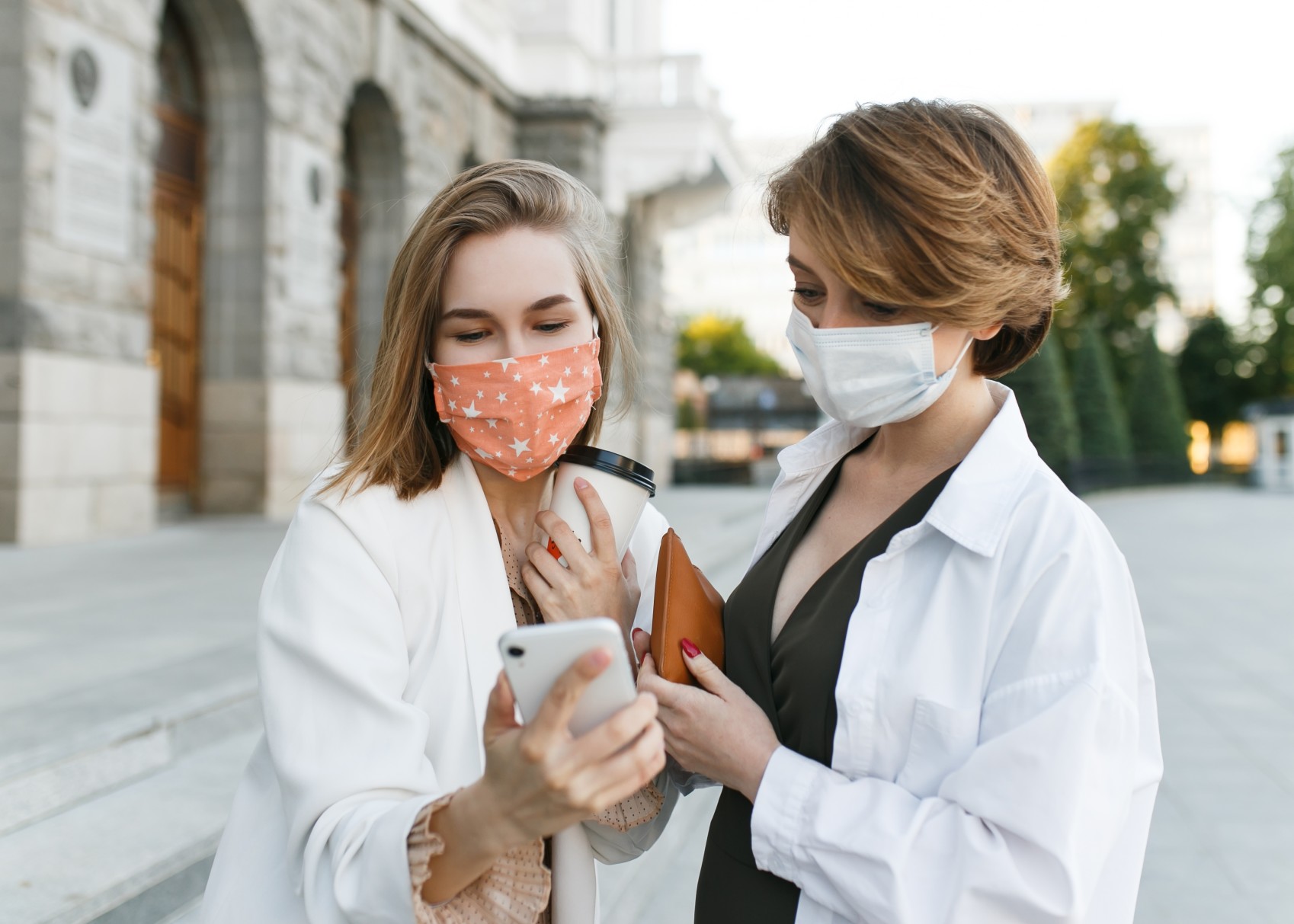
The mask is the necessary accessory that we must wear almost all the time going shopping, attending meetings, and in some cases, when we interact in-person with other people.
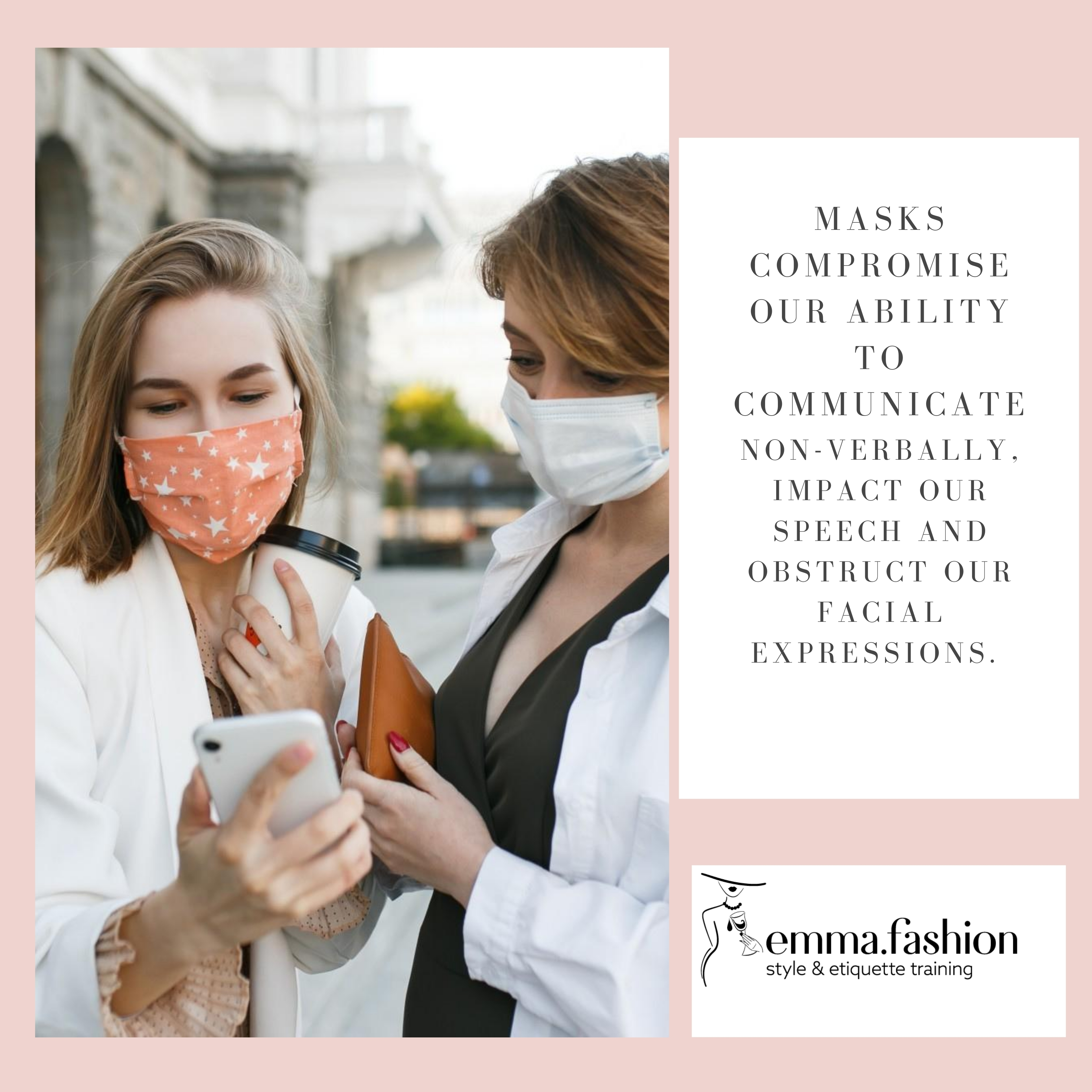
Wearing a mask has changed the way we interact and communicate with people. Non-verbal expressions that play a critical role in social life are unfortunately hidden by the piece of cloth that partially covers our face. Masks compromise our ability to communicate non-verbally, impact our speech, and obstruct our facial expressions.
How can we improve communication skills while wearing a mask?
Here are a few tips to help you improve the ability to communicate non-verbally
- Choose a well-fitted mask and lightweight fabric.
From my personal experience, I can say that finding the right face-covering makes a huge difference.
A cloth mask that keeps sliding around and falling at your slightest head movement can be frustrating and uncomfortable. This will definitely degrade your non-verbal communication.
The first thing you should look for is finding a mask made of breathable, lightweight material to facilitate the airstream flow and help you speak easily. Also, an adjustable nose bridge keeps the face mask in place when talking. So, make sure to choose a well-fitted mask with a flexible nose bridge and lightweight fabric. It will stay in place, allowing you to breathe easily and feel comfortable.
- Try speaking clearly and slowly instead of raising your voice.
Have you noticed we have the tendency to raise our voice when our mouth is covered? We do it instinctively because we want to overcome the obstacle.
People will understand you better if you enunciate each word and keep the tone down.
The best example is Audrey Hepburn in “My fair lady” when she learns how to speak correctly by slowly pronouncing each word with her mouth open until her speech was clear.
To overcome the nasal sounds (the muffling), use the mouth muscles to open your mouth sufficiently and speak with clarity.
- Include non-verbal gestures to emphasize your message.
Non-verbal expressions like a polite smile are, unfortunately, gestures that people cannot see. But you can use hand gestures, your eyes, and eyebrows to add feelings and color to your speech. Keep it moderate, and do not exaggerate the hand movements.
People can still hear your voice, and you can overcome the lack of facial expressions with a balanced pitch tone and volume, and slightly hands gesture.
Face masks can hinder our non-verbal communication, but we can compensate by augmenting our body language. Add to the mix improved voice control and expressive eye movements, and you can become one of the best communicators during a pandemic.
Frequently Asked Questions
How does wearing a face mask affect communication?
Masks compromise our ability to communicate non-verbally, impact our speech, and obstruct our facial expressions. Non-verbal cues that play a critical role in social life are hidden by the cloth that partially covers the face, which changes the way we interact with people.
What kind of mask makes talking easier?
Choose a well-fitted mask made of breathable, lightweight fabric that facilitates airflow and helps you speak easily. An adjustable nose bridge keeps the mask in place when you talk, so it stays put, lets you breathe comfortably, and does not slide around with every head movement.
Should I speak louder when wearing a mask?
No. We instinctively raise our voice when our mouth is covered, but people will understand you better if you enunciate each word and keep your tone down. Use your mouth muscles to open your mouth sufficiently and speak clearly and slowly to overcome the muffling.
How can I express myself when my smile is hidden behind a mask?
Use hand gestures, your eyes, and your eyebrows to add feeling and color to your speech, keeping the movements moderate rather than exaggerated. Combined with a balanced pitch, controlled volume, and expressive eye movements, this body language compensates for the facial expressions people cannot see.