When you go to someone’s house, you must become blind; when you leave, you must be mute.
Romanian saying
This Romanian expression that my grandma taught me carries a symbolic meaning, emphasizing the importance of being discreet and respectful while visiting someone’s home.
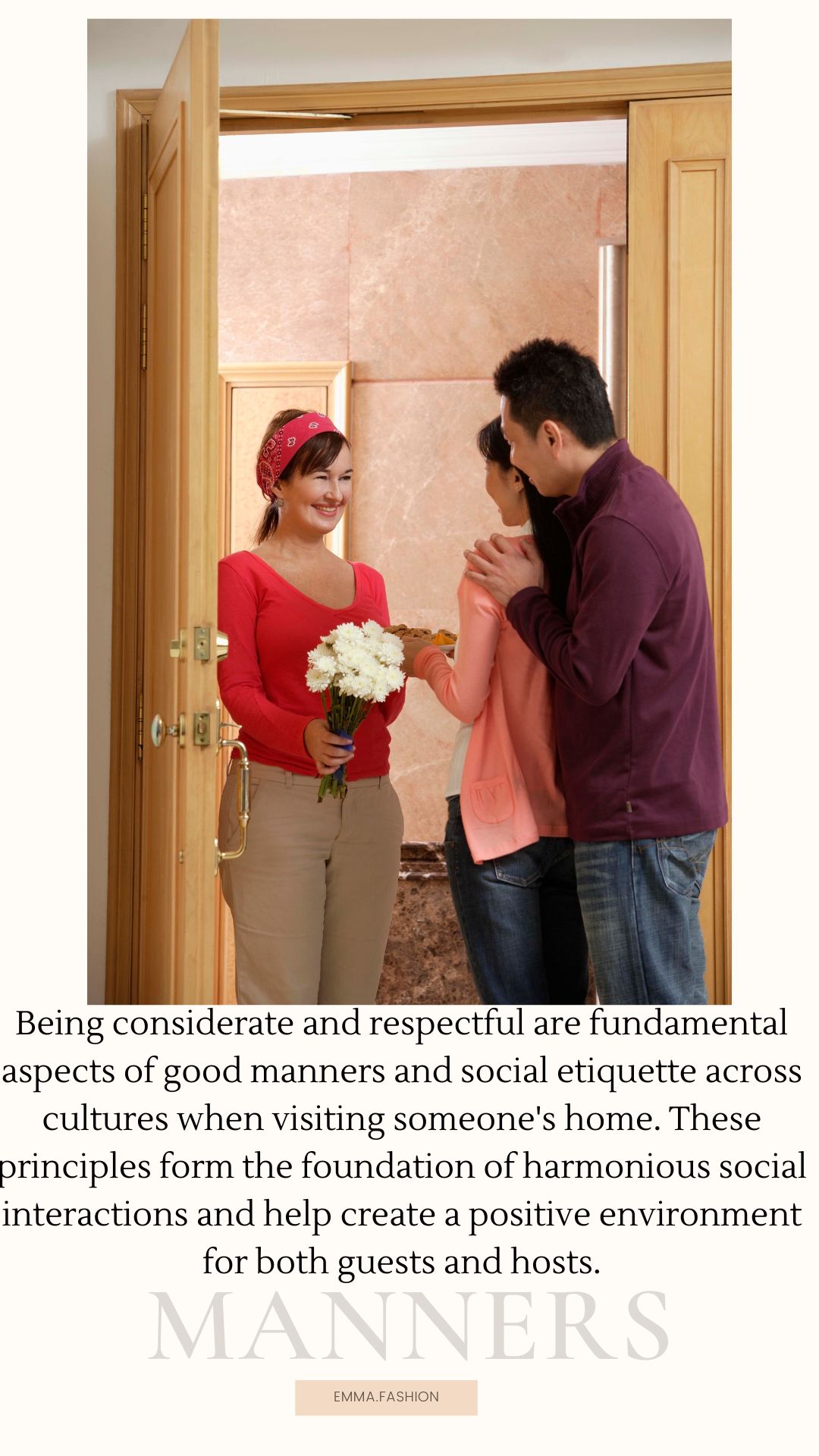
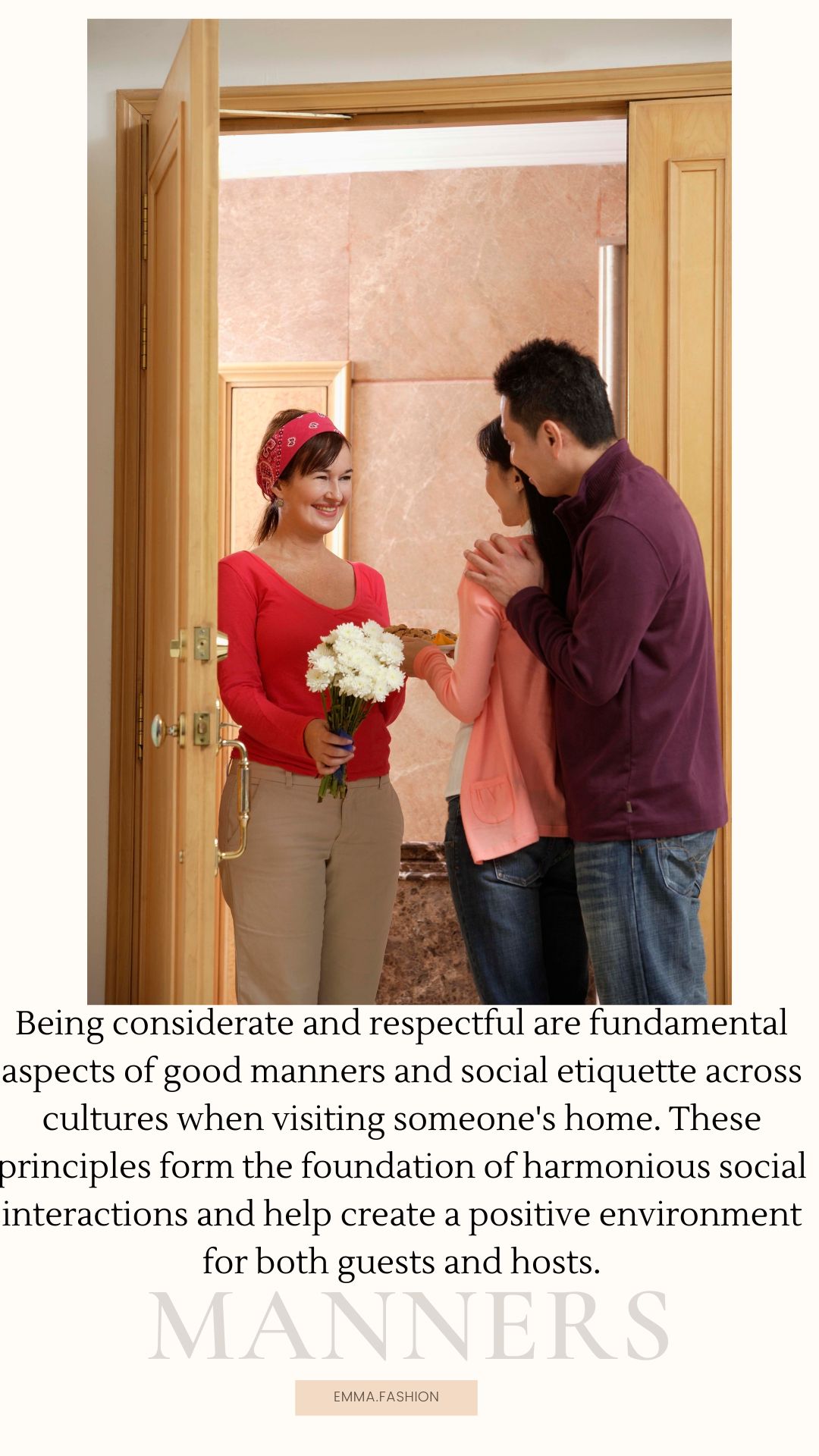
Being considerate and respectful are fundamental aspects of good manners and social etiquette across cultures when visiting someone’s home. These principles form the foundation of harmonious social interactions and help create a positive environment for guests and hosts. Here’s a more in-depth exploration of the symbolic meanings of being “blind” and “mute” in this context:
Being “blind”
- Not Prying: When you enter someone’s home, it is essential to respect their privacy and personal space. Being “blind” in this context means refraining from prying into personal matters or asking intrusive questions about the host’s private life. It shows that you understand and appreciate boundaries.
- Nonjudgmental Attitude: Being “blind” can also represent being nonjudgmental. Everyone has their unique lifestyle, preferences, and ways of doing things. As a guest, being open-minded and accepting the host’s choices without criticism is crucial.
Being “mute”
- Discretion: Being “mute” signifies being discreet and not discussing or sharing private issues or sensitive information you might have observed during your visit. What happens within someone’s home should generally stay within that context unless explicitly allowed or necessary for the safety and well-being of others.
- Respectful Listening: Being “mute” could also be seen as emphasizing the importance of active listening. As a guest, listening attentively and engaging in meaningful conversations when appropriate shows respect for the host’s thoughts and feelings.
By being “blind” and “mute” in these metaphorical senses, guests demonstrate their consideration for the host’s feelings, privacy, and overall well-being. These qualities help foster a sense of trust and comfort, making the host feel at ease in their own home.
Furthermore, these symbolic principles can extend beyond home visits and apply to various social interactions. Practicing empathy, respecting boundaries, and being discreet are valuable skills contributing to healthier relationships and a more understanding society.
In conclusion, being considerate and respectful when visiting someone’s house is a universal social norm that transcends cultural backgrounds. Being “blind” represents not prying and being nonjudgmental, while being “mute” symbolizes discretion and respectful listening. By embodying these metaphorical qualities, guests can create a positive and enjoyable experience for both themselves and their hosts.
Frequently Asked Questions
What does the saying about being blind and mute when visiting someone mean?
It is a Romanian saying that advises guests to become blind when entering someone's home and mute when leaving. Symbolically, it means refraining from prying while you are there and staying discreet about what you observed once you leave, which shows deep respect for your host's privacy.
What should I avoid asking about when visiting someone at home?
Refrain from prying into personal matters or asking intrusive questions about your host's private life, which shows you understand and appreciate boundaries. It also helps to stay nonjudgmental, accepting the host's lifestyle and choices without criticism, since everyone has their own way of doing things.
Is it okay to talk about what I saw at someone's house afterwards?
Discretion is a fundamental part of being a gracious guest, so private matters or sensitive things you observed during a visit should generally stay within that context. The only exceptions are when sharing is explicitly allowed or necessary for someone's safety and well-being.
Why do good guest manners matter so much?
Being considerate and respectful when visiting someone's home is a universal social norm across cultures, and it forms the foundation of harmonious interactions. When guests respect privacy, listen attentively, and stay discreet, they foster trust and make the host feel at ease in their own home.