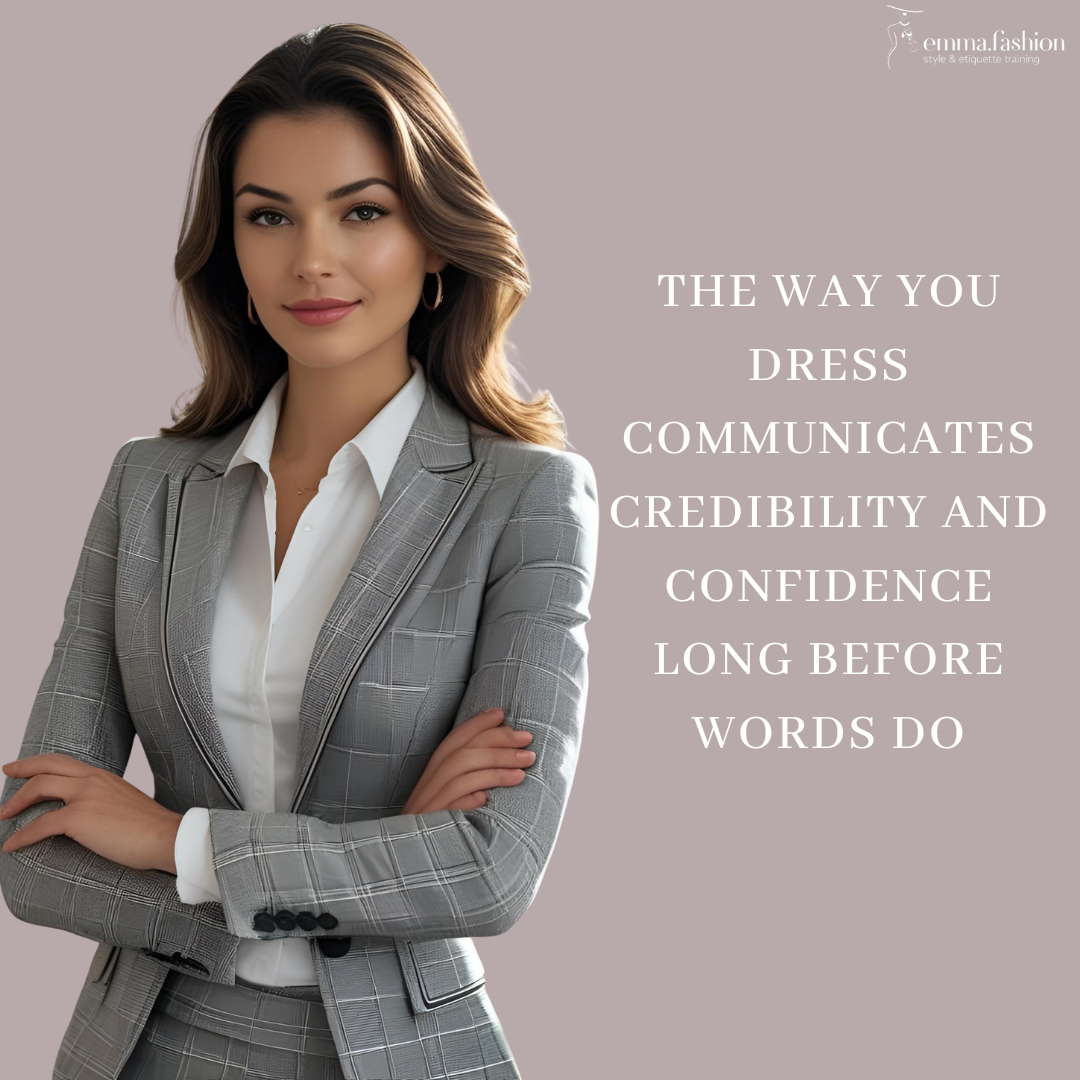
Transitioning from college to a professional environment requires more than skills—it requires a thoughtful presentation. Dressing with purpose isn’t about wearing the most expensive pieces; it’s about curating a wardrobe that conveys competence, confidence, and respect for your workplace culture.
Build a Versatile Professional Wardrobe
Start with foundational pieces that can mix and match effortlessly:
- Blazers: A well-fitted blazer elevates any outfit, from tailored pants to dresses. Neutral colors like black, navy, or beige are timeless.
- Tailored Pants and Skirts: Choose classic cuts that fit your body shape comfortably. Pencil skirts and straight-leg trousers are professional yet stylish.
- Shirts and Blouses: Crisp button-downs, silk blouses, and knit tops in muted tones are versatile and polished.
- Shoes: Closed-toe flats, loafers, or low heels in neutral shades work for most professional settings. Keep them clean and in good condition.
Fit and Proportion Are Key
Proper fit makes a bigger difference than brand or price:
- Avoid clothing that is too tight or too loose; tailoring can transform inexpensive items into sharp, professional looks.
- Ensure hemlines are appropriate—skirts should generally fall at or below the knee, and sleeves should align with your wrists.
- Balance proportions: if wearing a voluminous top, pair it with a more fitted bottom, and vice versa.
Incorporate Subtle Personal Style
You can express your personality while remaining professional:
- Add a scarf, belt, or statement jewelry in moderation.
- Experiment with muted colors or patterns that complement neutral staples.
- Use textures—like a knit sweater or silk blouse—to add depth without overwhelming your look.
Polish Your Professional Presence
Looking professional is more than clothes—it’s how you present yourself:
-
Grooming: Keep hair neat, nails clean, and makeup understated.
-
Accessories: Avoid overly flashy jewelry or accessories that can distract in meetings.
-
Fragrance: Subtle scents are appropriate; strong fragrances can be intrusive.
-
Consistency: Maintain a polished look daily—wrinkled or stained clothing undermines professionalism.
Dress for the Occasion
Different settings call for varying levels of formality:
- Meetings with clients or executives: Opt for classic business formal attire.
- Team or casual office days: Smart casual is acceptable, but avoid overly casual items like sneakers or hoodies.
- Presentations or networking events: Aim to look confident and put-together; structured outfits and neutral tones create a professional impression.
Confidence Is Your Best Accessory
No matter how polished your outfit, confidence enhances your professional image:
- Stand tall, make eye contact, and move with purpose.
- Wear clothes that make you feel comfortable and competent.
- Remember that your attitude completes the look—style is amplified by poise.
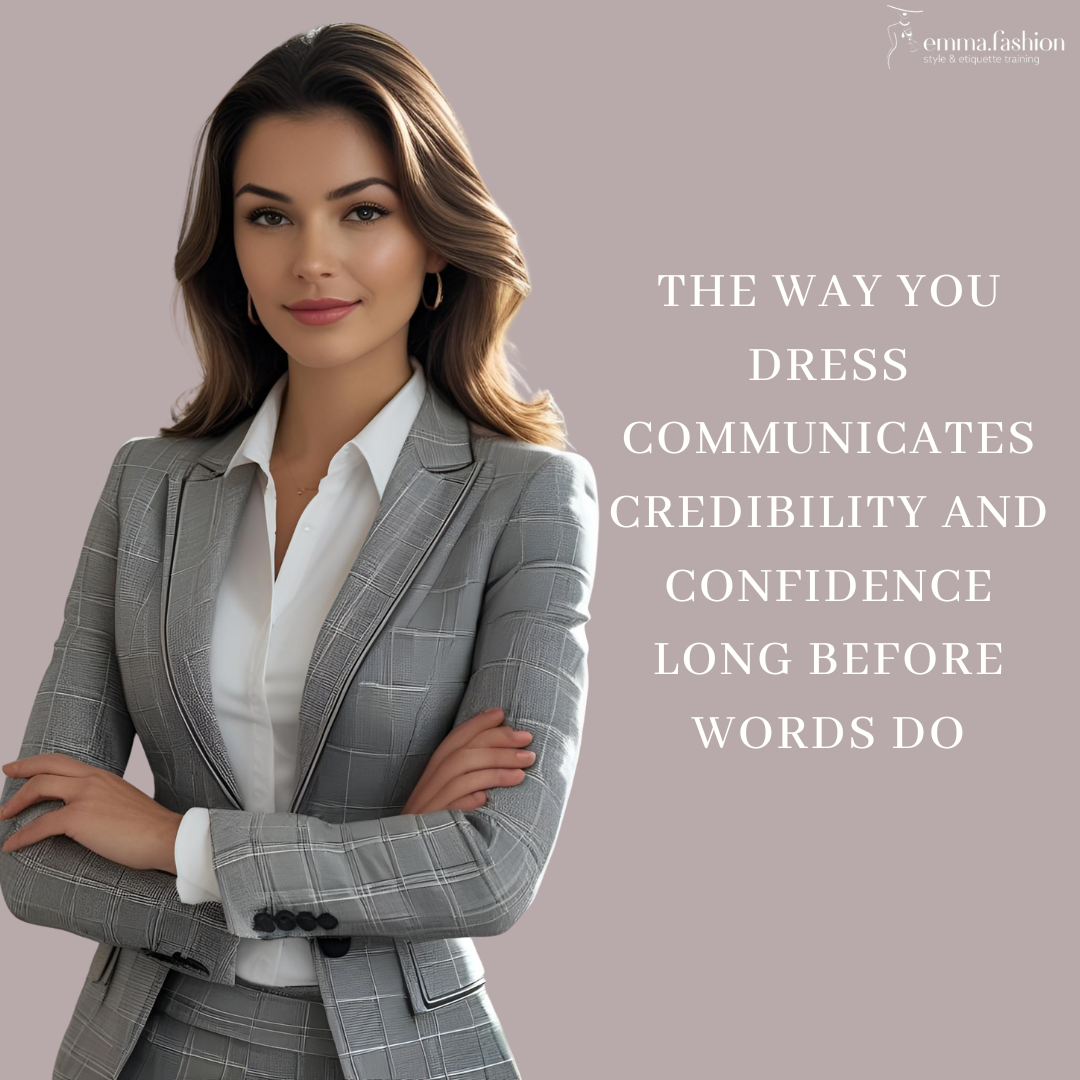
Dressing with purpose is about intentional choices, balance, and respect for your professional environment. By focusing on fit, versatile staples, subtle personal style, and workplace etiquette, you not only look professional but also communicate credibility and confidence. Your wardrobe becomes a silent ambassador for your competence, making a positive impression even before you speak.
Frequently Asked Questions
What are the essential pieces for a first professional wardrobe?
Start with foundational pieces that mix and match effortlessly: a well-fitted blazer in a timeless neutral like black, navy, or beige, tailored pants and classic skirts such as pencil or straight-leg cuts, crisp button-downs and silk blouses in muted tones, and closed-toe flats, loafers, or low heels in neutral shades. These staples convey competence and adapt to almost any setting.
Does an expensive wardrobe matter more than fit?
No, proper fit makes a bigger difference than brand or price, and tailoring can transform inexpensive items into sharp, professional looks. Avoid clothing that is too tight or too loose, keep skirt hemlines at or below the knee, align sleeves with your wrists, and balance proportions between fitted and voluminous pieces.
How can I show personality in professional clothes?
You can express yourself while remaining professional by adding a scarf, belt, or statement jewelry in moderation. Experiment with muted colors or patterns that complement your neutral staples, and use textures like a knit sweater or silk blouse to add depth without overwhelming the look.
How formal should I dress for different work situations?
Meetings with clients or executives call for classic business formal attire, while team or casual office days allow smart casual, though never overly casual items like sneakers or hoodies. For presentations or networking events, aim to look confident and put together with structured outfits and neutral tones.
Beyond clothes, what completes a professional image?
Grooming and presence matter as much as the outfit: neat hair, clean nails, understated makeup, subtle fragrance, and clothing that is never wrinkled or stained. Confidence is your best accessory, so stand tall, make eye contact, move with purpose, and remember your attitude completes the look.