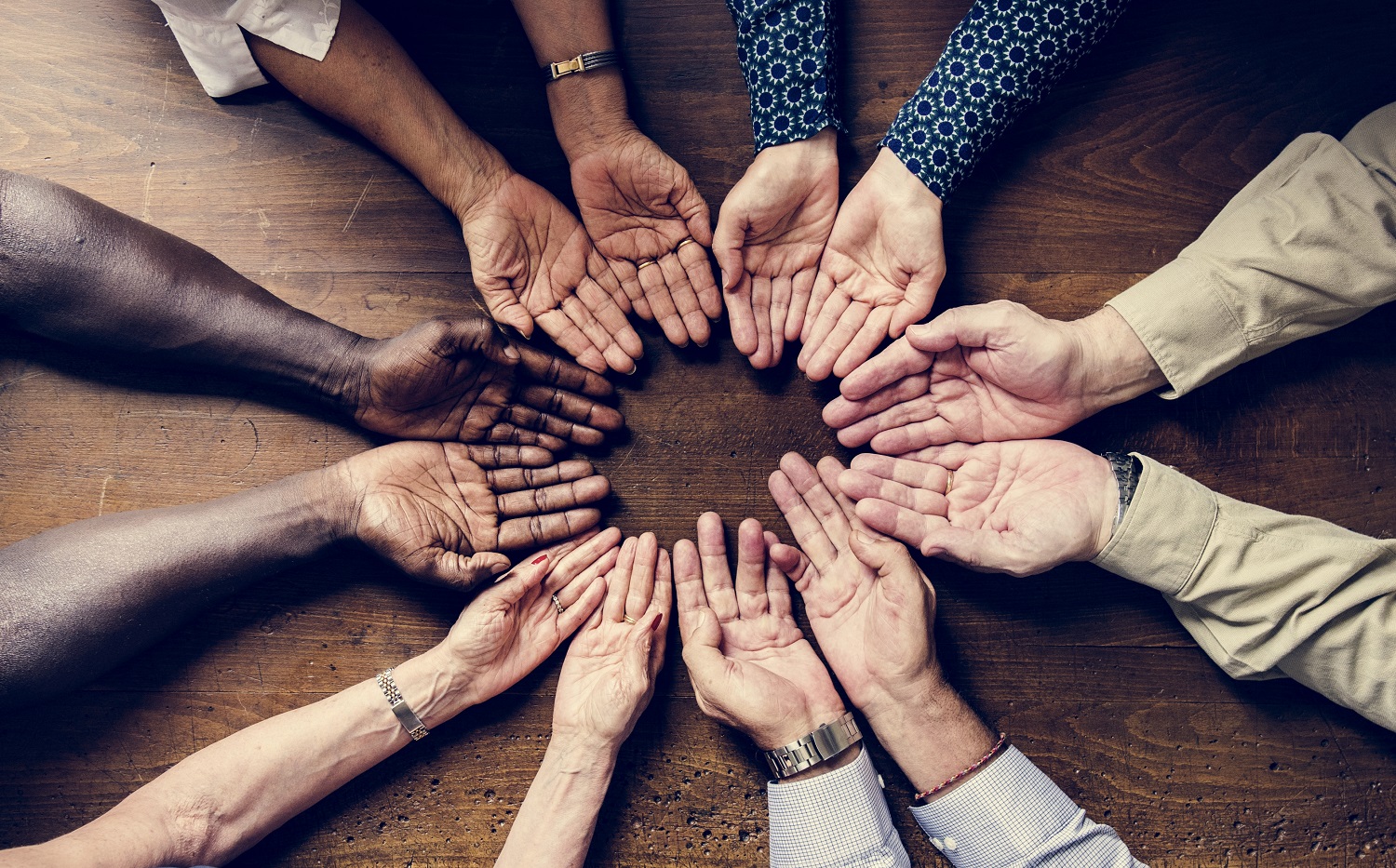
Mastering proper etiquette and manners make us more confident in handling a conversation and building relationships with people who do not share the same cultural background.
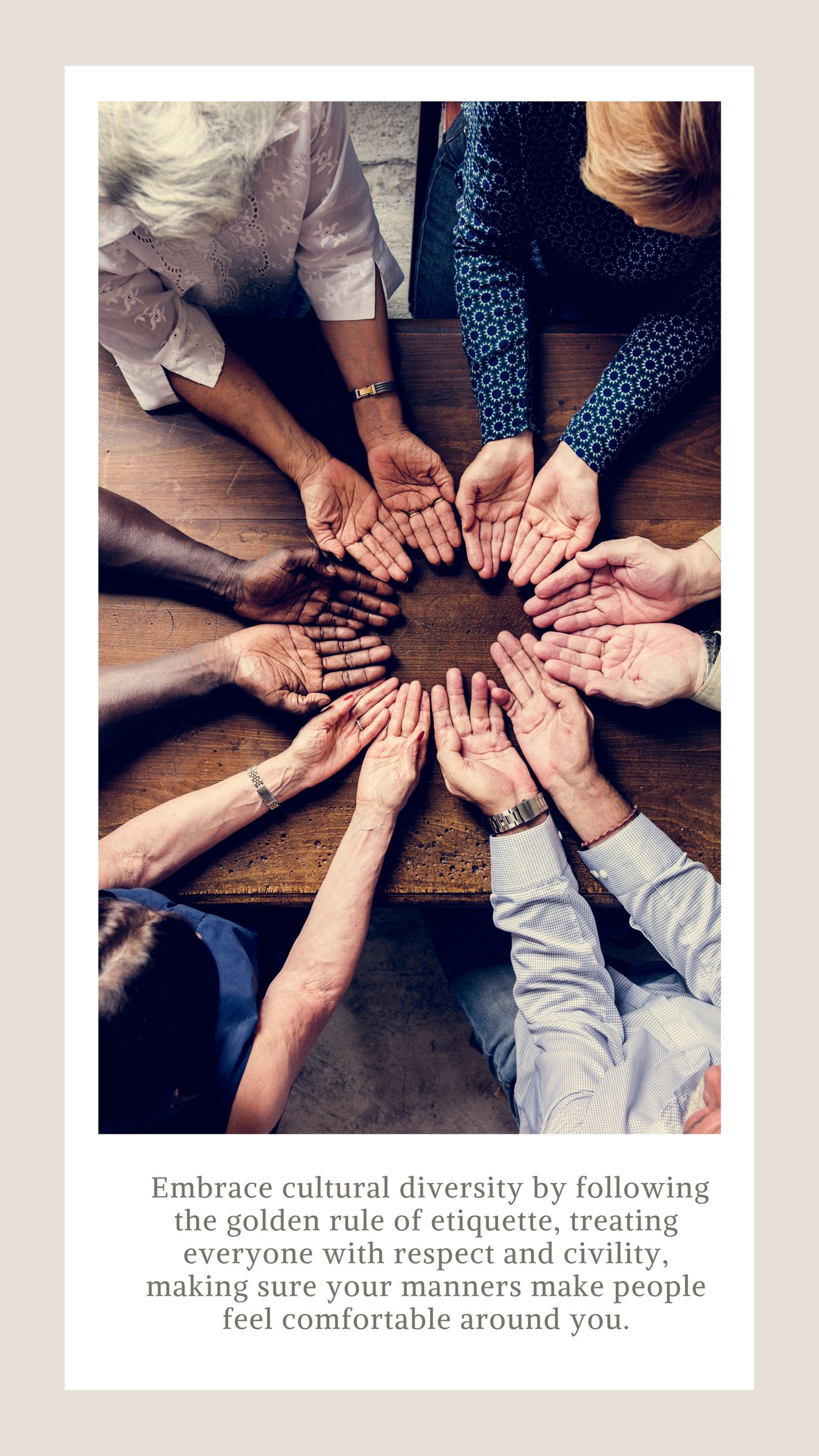
Embrace cultural diversity by following the golden rule of etiquette, treating everyone with respect and civility, making sure your manners make people feel comfortable around you.
1. Avoid words that could be easily misunderstood, such as jargon, jokes, sarcasm.
Also, stay away from controversial topics: politics, religion, or personal issues.
2. Avoid nonverbal communication, especially hand gestures.
For example, showing a thumb up is the universal gesture for Ok, Cool, or Great, but this gesture is considered a vulgar insult in some middle east countries.
3. Ask politely and show genuine interest in the culture of origin.
You can start the conversation talking about some historical sites you read about and ask if there are some exciting folklore stories about them. This way, you can open the discussion, and both sides can get involved.
4. Listen and talk slowly at a pace that the others can understand.
Talking with a foreigner, you should try speaking slowly, using simple words, and shortening sentences.
Listen carefully and do not correct or laugh at a foreigner who mispronounced your name or a word. Show empathy for the effort and value the message despite the mistakes made.
5. Choose your clothes carefully, especially if you are the one who visits a foreign country.
Do not wear leather for a trip to India, where cows are sacred animals. Hindus people consider leather products to be offensive.
Also, if you are a woman traveling to Japan, you should not wear skin-baring clothes. Revealing cleavage, armpits, or shoulders is considered extremely provoking. Consider covering your torso to avoid staring eyes and forming a negative opinion about you.
6. Know the appropriate greetings.
From kisses to hugs, handshakes, and bows, greetings are diverse as well as the cultures. Welcome a foreigner with a respectful greeting and make him or her feel comfortable and familiar with the gesture.
The most important aspect is to accept and embrace cultural differences showing respect to those who may stumble over the “norm of manners” because they have a different background than yours.
Frequently Asked Questions
How can I be polite when interacting with people from other cultures?
Follow the golden rule of etiquette: treat everyone with respect and civility, making sure your manners help people feel comfortable around you. Avoid jargon, jokes, and sarcasm that could be misunderstood, and stay away from controversial topics like politics, religion, or personal issues.
Should I avoid hand gestures when talking to people from different countries?
Yes, it is wise to limit nonverbal communication, especially hand gestures, because their meanings vary enormously across cultures. The thumbs up, for example, is a universal sign for OK or great in many places, but in some Middle Eastern countries it is considered a vulgar insult.
How should I dress when visiting a foreign country?
Choose your clothes carefully with the local culture in mind. Avoid leather in India, where cows are sacred and leather products are considered offensive, and if you are a woman traveling to Japan, cover your torso, since revealing cleavage, armpits, or shoulders is seen as extremely provoking.
What is the best way to talk with someone who is not a native speaker of my language?
Speak slowly, use simple words, and shorten your sentences so the other person can follow comfortably. Listen carefully, never correct or laugh at someone who mispronounces a word or your name, and show empathy for the effort by valuing the message despite the mistakes.
How do I handle greetings across different cultures?
Greetings are as diverse as cultures themselves, ranging from kisses and hugs to handshakes and bows, so learn the appropriate one and welcome people with a gesture that feels familiar and respectful to them. Above all, accept and embrace cultural differences, showing grace to those who may stumble over your norms because their background differs from yours.